It always takes a moment to recognize what has occurred when a blackout strikes unexpectedly. Whether you’re relaxing at home or engaged in important work, an abrupt power loss disrupts everything. As energy challenges grow throughout Brisbane and globally, understanding blackouts becomes increasingly vital.
With Brisbane’s intensifying heatwaves, demand for air conditioning rises, and “higher than usual levels of electricity” can strain the grid and power supply during extreme temperatures. However, multiple causes trigger power outages.
Types of Blackouts and Causes
Four basic power cut categories exist, each with distinct causes requiring different solutions.
Blackout
A complete shutdown of power occurs when major problems develop. Natural disasters like storms, hurricanes, or earthquakes, or severe power grid malfunctions typically cause blackouts. They affect large populations—entire districts or neighborhoods lose power. Recovery proves notoriously difficult, requiring 12 hours to several weeks.
Brownout
When voltage unexpectedly drops across all lights, a brownout occurs (also called fluctuation). These shorter-duration events don’t damage as severely as blackouts but alter appliance performance and power output. Voltage typically returns to normal levels without intervention.
Permanent Fault
This common household occurrence happens when too many high-energy appliances operate simultaneously. Resolution involves locating the electrical box and switching the tripped breaker back on. If it recurs regularly, investigating which appliance causes the issue becomes necessary. Persistent problems warrant contacting your electricity supplier for professional inspection.
Rolling Blackouts
Nothing personal can prevent rolling blackouts. They result from insufficient power grid strength or infrastructure unable to generate and supply required capacity. Planning relocation may be necessary if experiencing them regularly.
Key Steps to Take During a Power Outage
When lights go out, follow these essential steps:
Check neighboring windows for light to determine if the problem is localized to your home or affects the entire area.
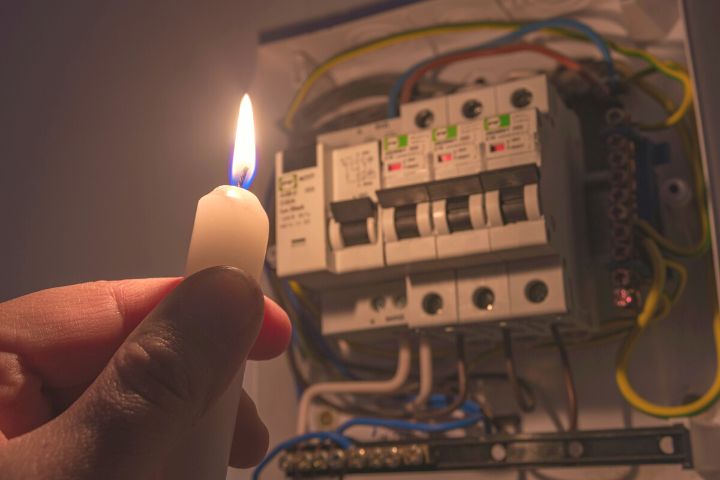
If isolated to your home, access the electrical box and reset the tripped switch. Use trial and error with unplugging various devices if it continues.
For neighborhood-wide outages, prepare for extended duration.
Contact Energex to report unplanned interruptions.
Locate light sources like candles and torches; enable power-saving mode on devices; prepare fireplaces for warmth; check data coverage for local news updates.
Be Prepared for a Power Outage!
Proactive preparation prevents scrambling during emergencies. Useful kit items include:
Torchlight
Batteries
Dry food and water
Medical kit
Portable mobile phone charger
Candles and matches
Generators prove invaluable if experiencing frequent outages. Battery-powered generators need spare batteries on hand; petrol generators require stored fuel.
FAQs
What Should I Do With My Electronic Devices?
“If there’s a power outage, it’s recommended to take all the plugs out” to prevent surge damage when power returns. Power restoration can produce dangerous surges frying device motherboards. Leaving one light switch on helps confirm when electricity returns.
How to Plan for a Power Outage as a Business
Business impact depends on outage frequency. One-off incidents may not warrant extensive planning, but regular outages demand preparation, especially for electricity-dependent operations. Contact your power supplier for prevention strategies and consider purchasing a generator to minimize disruption.
Air conditioning is usually good for your health, especially when you live in a hot, humid climate like Brisbane’s. However, the effects of air conditioning on your health depend on how you use and maintain it. In this article, you’ll learn what air conditioning does for your body. We’ll also explain how to use it […]
Zoning lets one ducted system treat different parts of a home differently. Imagine setting the right indoor temperature that suits everyone. Honestly, that is as close to the definition of a near-impossible task as you can get. Each of us may have individual cooling and heating needs and there is no one comfortable indoor temperature […]
Saw water leaking from your AC unit? You’re not alone. This issue usually happens when the condensate drain line is blocked, though several other factors could be at play. If you don’t fix your AC, the water leaking from it could reach its electrical components, stain your walls and ceilings, encourage mould growth, or damage […]
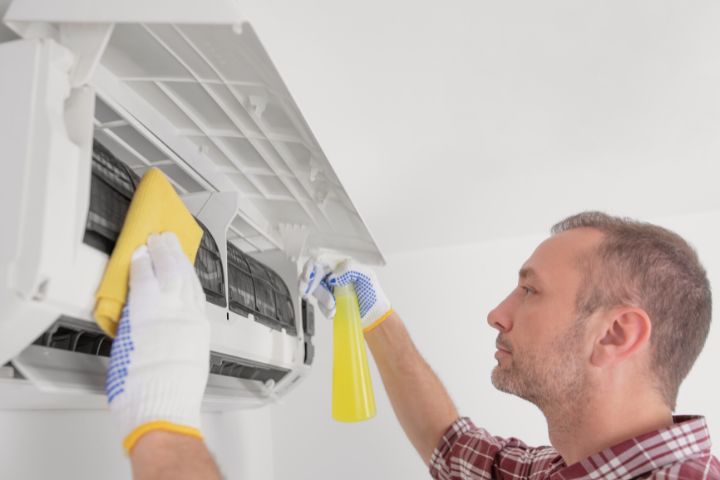
Cleaning your air conditioner filter regularly improves the AC’s performance, reduces how much energy it consumes, and extends its lifespan. You’ll also breathe in healthier air when you’re indoors. The cleaning process is way easier than you think. Let’s walk through it together. Do these before cleaning your AC Turn off the air conditioner Safety […]
You set a target temperature of 23°C. Minutes later, you raise it to 24°C. That 1°C increase may seem minor, but it makes a big difference in the air conditioner’s energy consumption. Generally, for every 1°C increase in the target temperature, an AC’s energy usage drops by 5–10%. For homeowners in Australia, even slight AC […]
You want to find the perfect climate control solution for your home. But there’s just a bit of a snag: you can’t seem to choose between a ducted air conditioner and a split system. Ducted systems are a great fit for you if you’d like to maintain the same temperature across all rooms in your […]
The math should be straightforward: find out how many watts you need per square metre and multiply that by the floor area of your room. In reality, the answer is rarely that simple. Most commercial calculators recommend 3.5 to 5 kilowatts for a 30 square metre room, which is a typical range, yet you can’t […]
Operating quietly and reducing energy consumption by up to 44%, inverter air conditioners are easy to sell. An inverter air conditioner owes its energy efficiency to advanced inverter technology that allows the compressor to adjust its speed based on your cooling needs. That said, choosing an inverter AC isn’t always a no-brainer. There are still […]